
In this story
Trail running is changing quickly within outdoor sport today.
More people are heading into the mountains, and more are training seriously. Heart-rate charts, race results, ITRA points and finishing times—once the vocabulary of a small competitive group—are entering everyday runners’ lives. But when a professional training system becomes part of ordinary life, what does it really change? Results, or the way someone understands their body, encounters nature and organises a day? These questions brought ACG and CAMPsomeWHERE together for Mountain Anthropology.
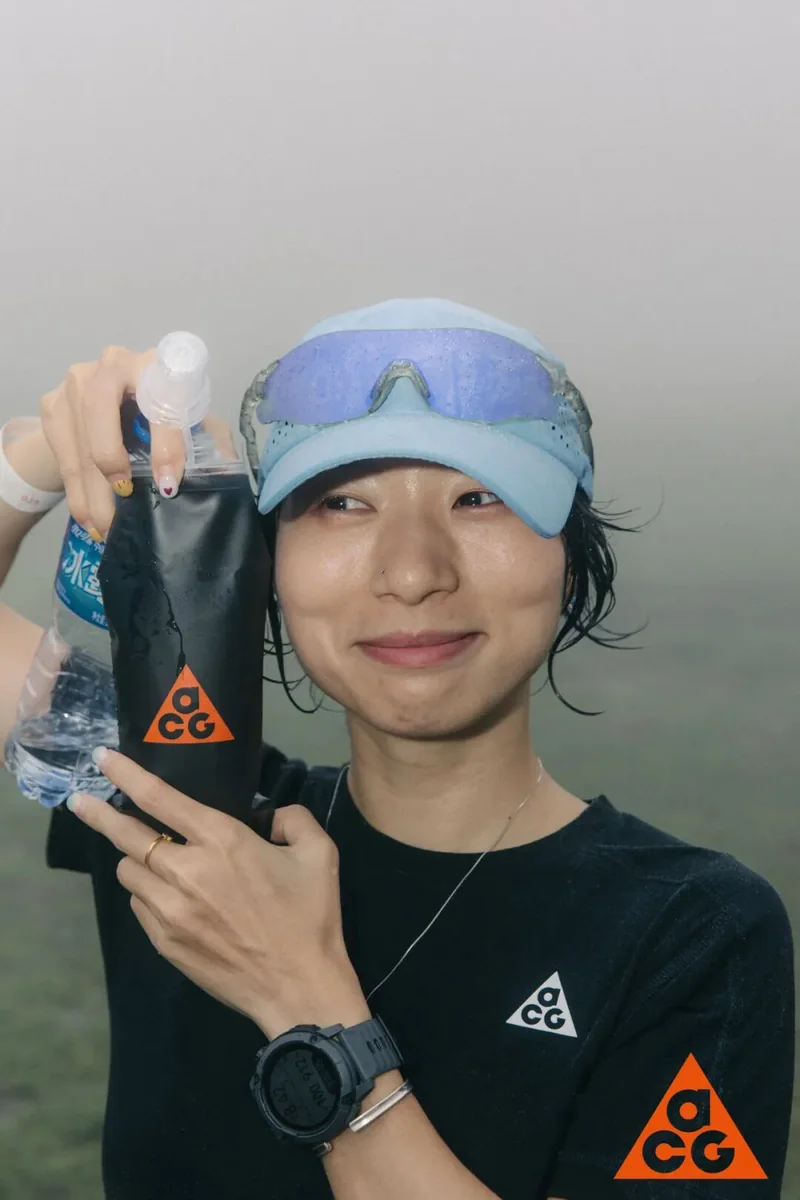
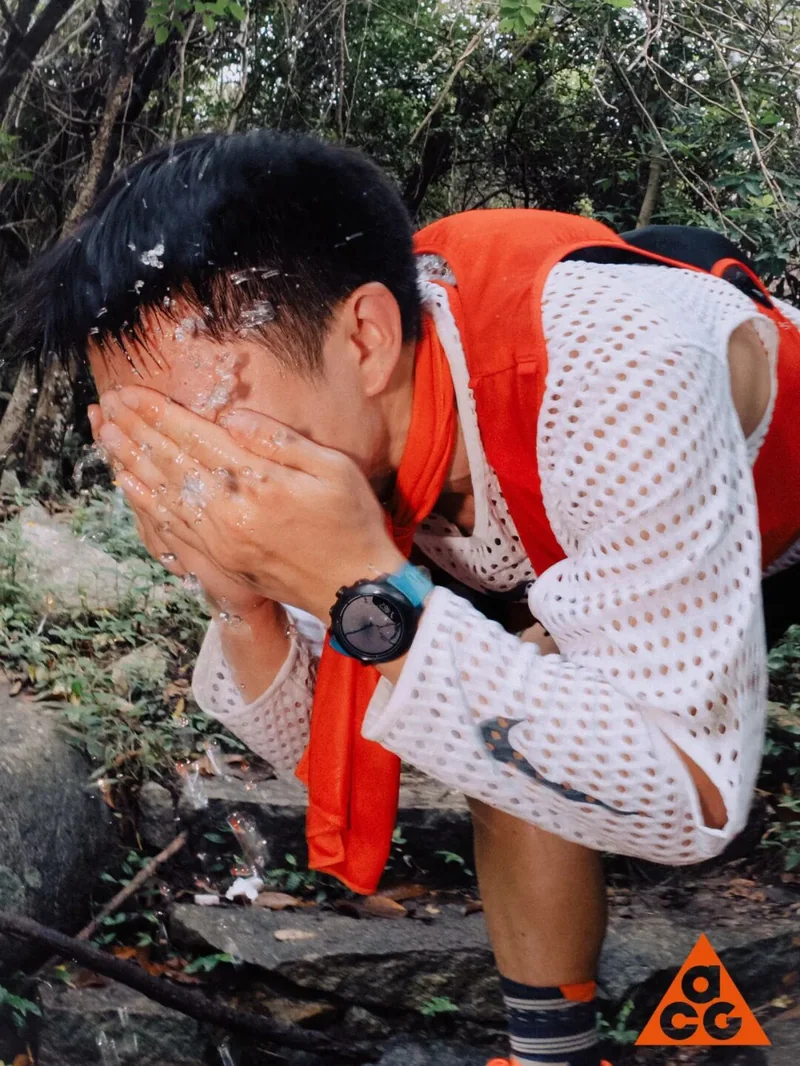
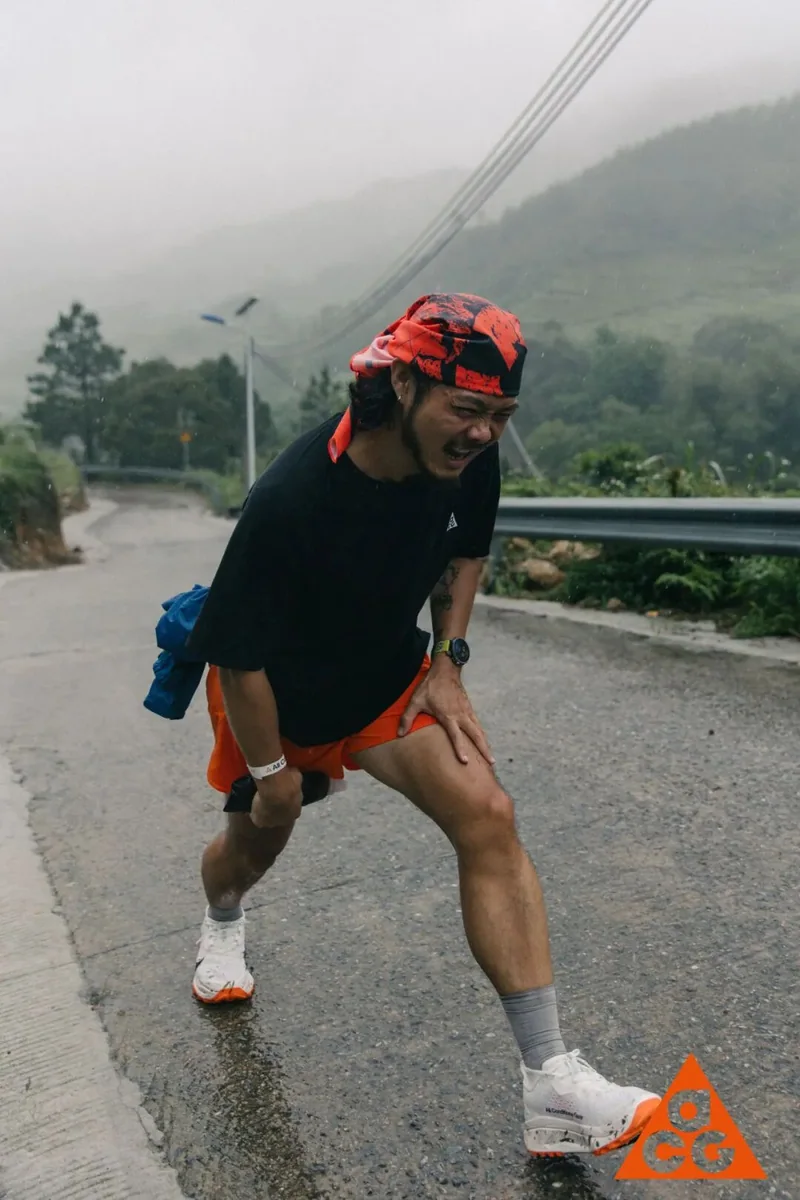
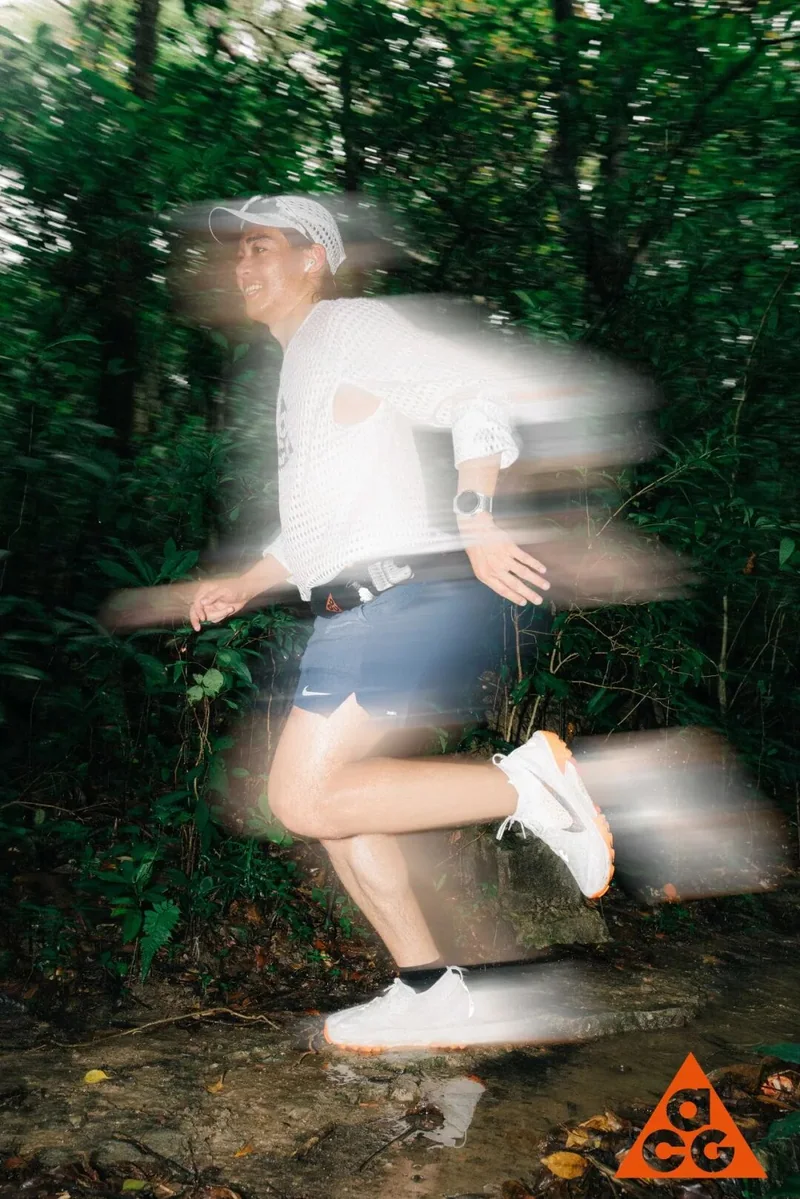
We joined ACTD, ACG’s comprehensive race-preparation camp, to follow a group of everyday runners through ten weeks of professional-level preparation. We were less interested in who would become fastest than in what happens when structured training meets a real person’s body, character and life.
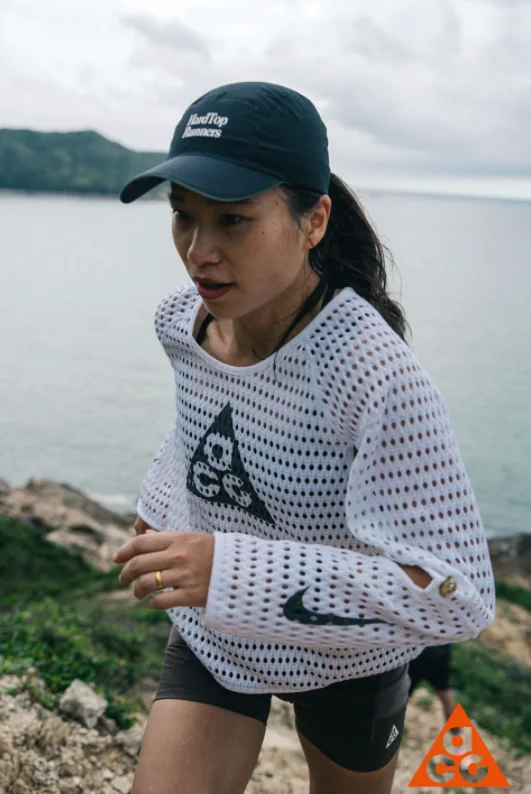
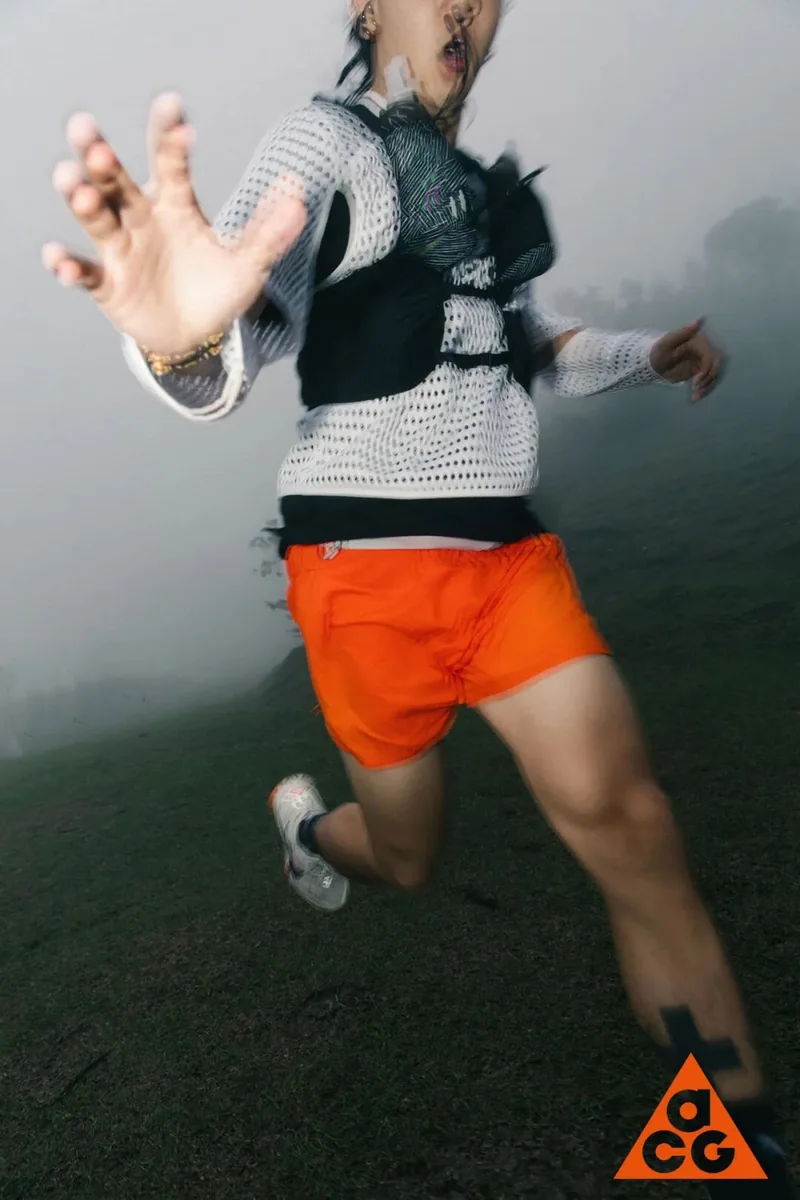
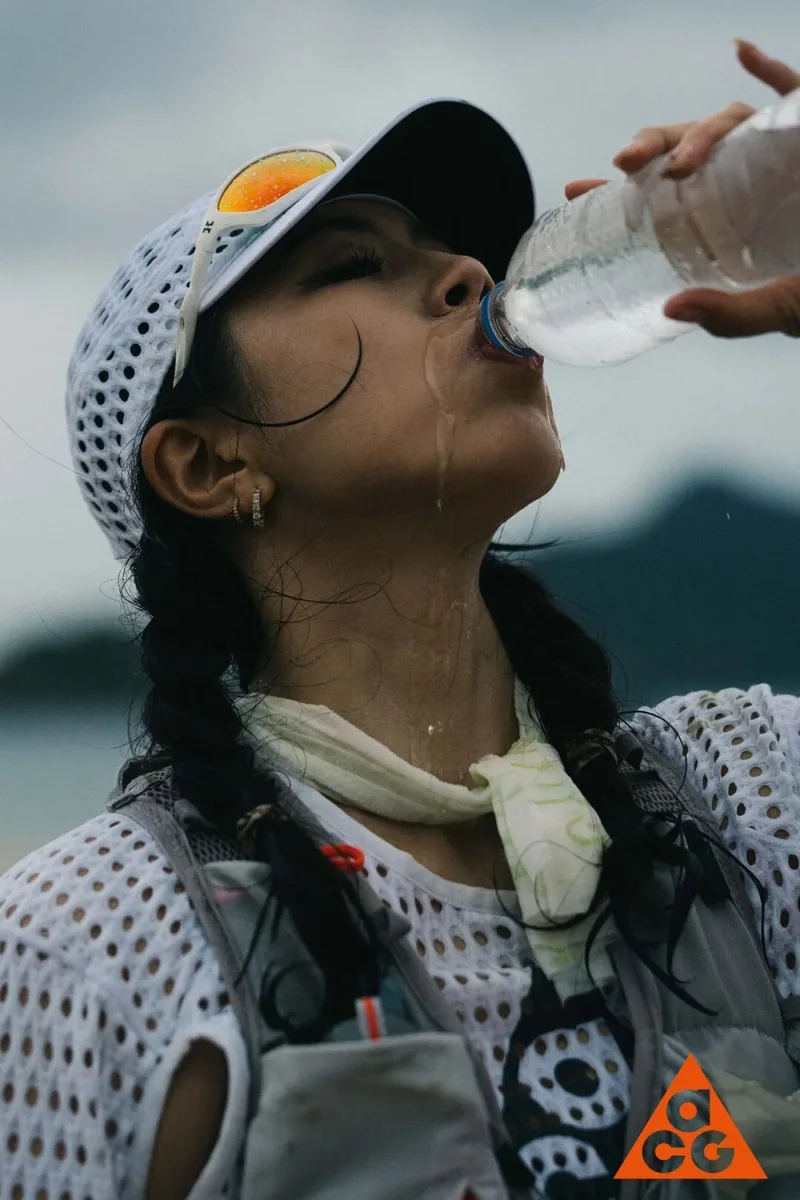
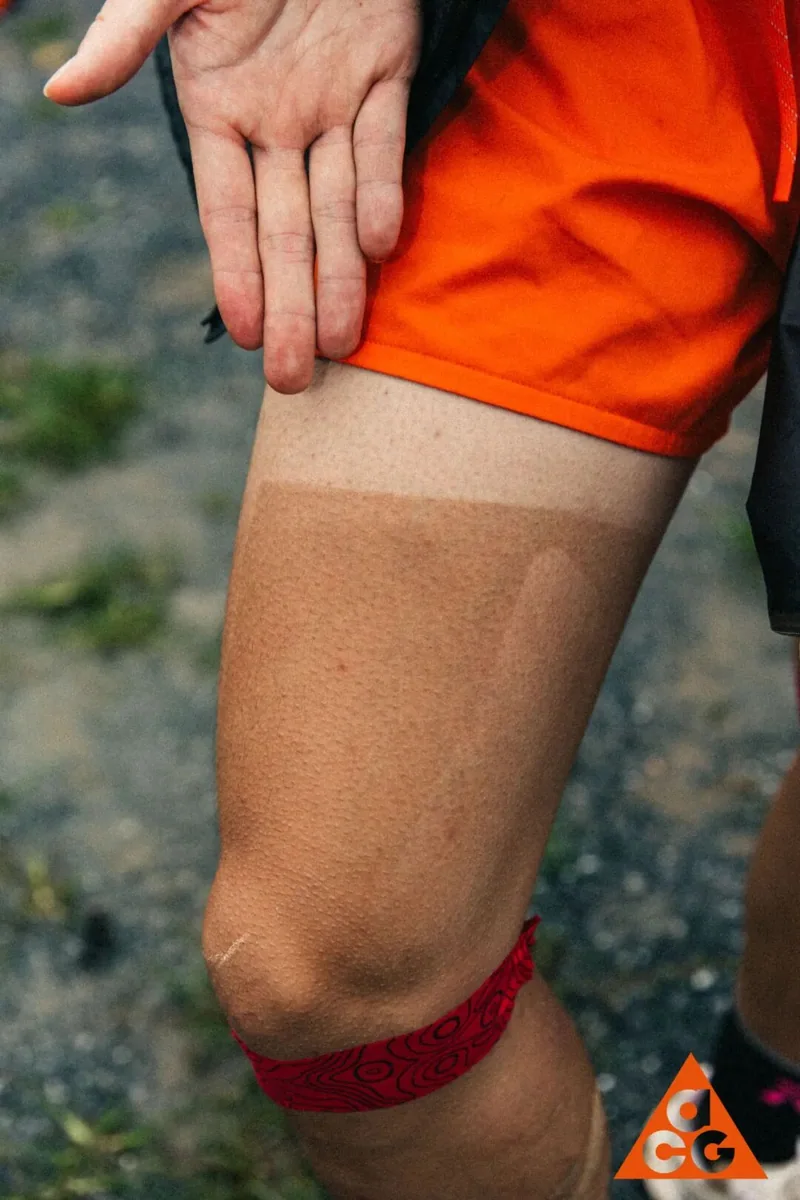
In the first Mountain Anthropology story, about “Kosovo Shandian,” we followed his ten weeks in ACTD. In the second, about Hu Ahao, we observed how professional training could find a place in an adult’s complicated daily life.
For the third story, we turn to Wuwa. While Shandian and Ahao entered ACTD as everyday runners, Wuwa occupies a different position.
He is ACTD’s city coach for the Greater Bay Area and a runner who still loves exploring the mountains. His work is to translate professional methods into language ordinary runners can use. Yet the translator is also being changed by the system himself. Wuwa has always believed that before learning to run farther, you should learn how to play.
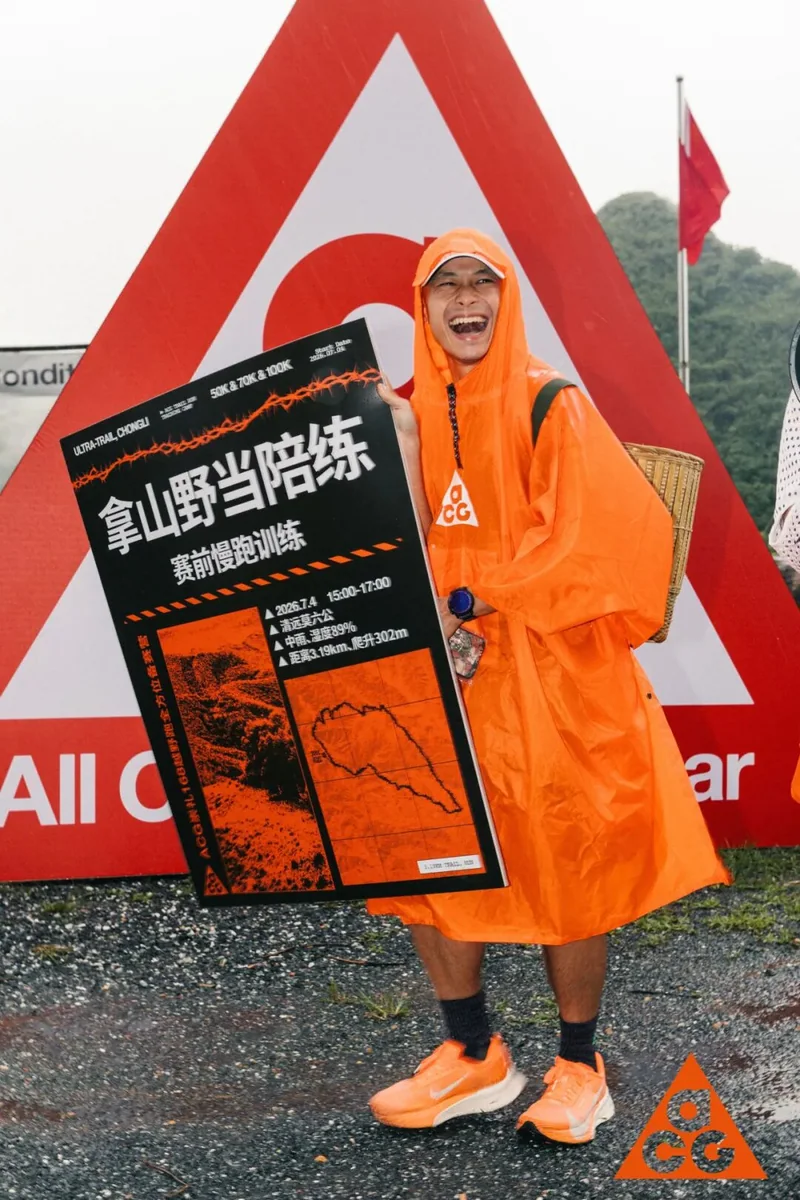
As trail running becomes more professional, how can someone preserve their original curiosity about the mountains beyond training, results and data? That is the story we wanted to tell.
The man who avoids socialising became a coach who brings people together
↑ Back to contents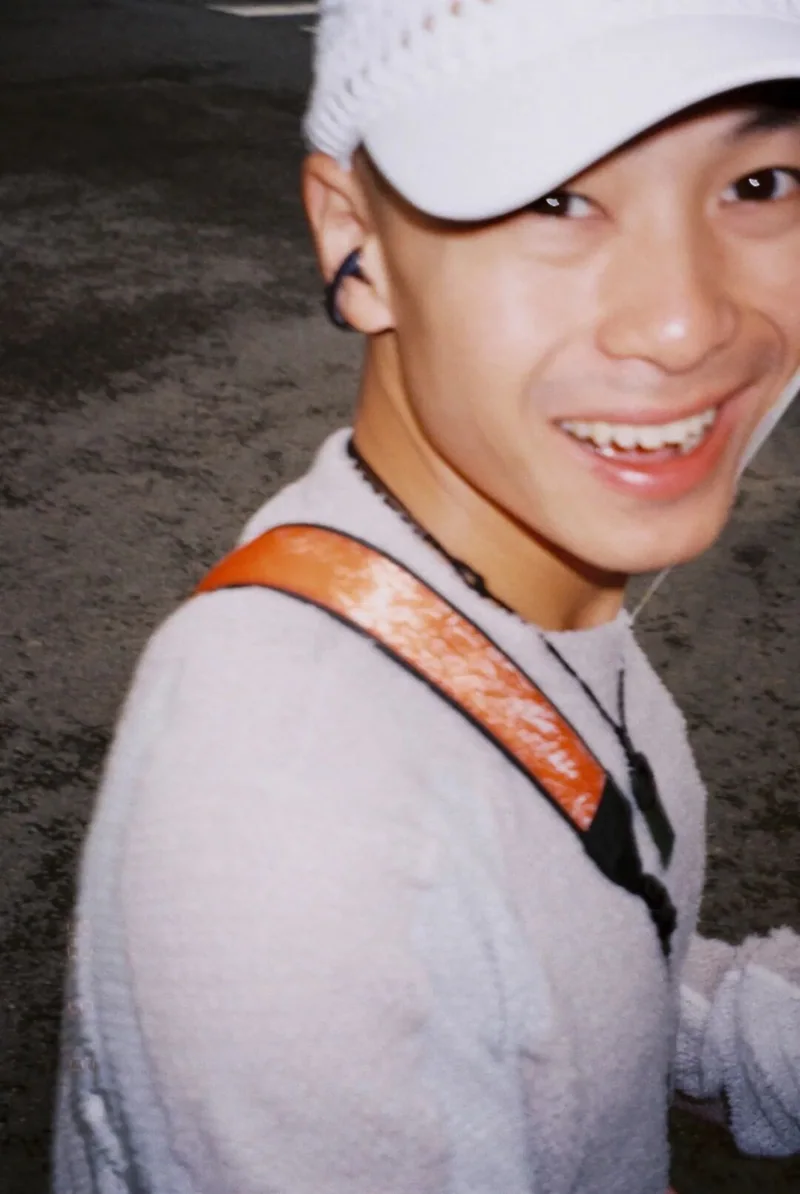
In the Greater Bay Area running community, his teammates call him “Wa Zong” or “Wuwa.” His love of chatting on hikes once earned him the nickname “Shuiwa,” the water child. In the Chinese cartoon Calabash Brothers, that character is the fifth brother: “Wuwa,” or fifth child, followed naturally.
Many people see Wuwa as an extrovert: he leads groups, chats easily and gets along with people across the running community. He knows himself differently. Without the demands of work, he says, he might not post to WeChat Moments for ten years. He jokes that his eyesight is so good that when he spots an acquaintance far away, his first thought is often not how to say hello, but how to slip past unnoticed.
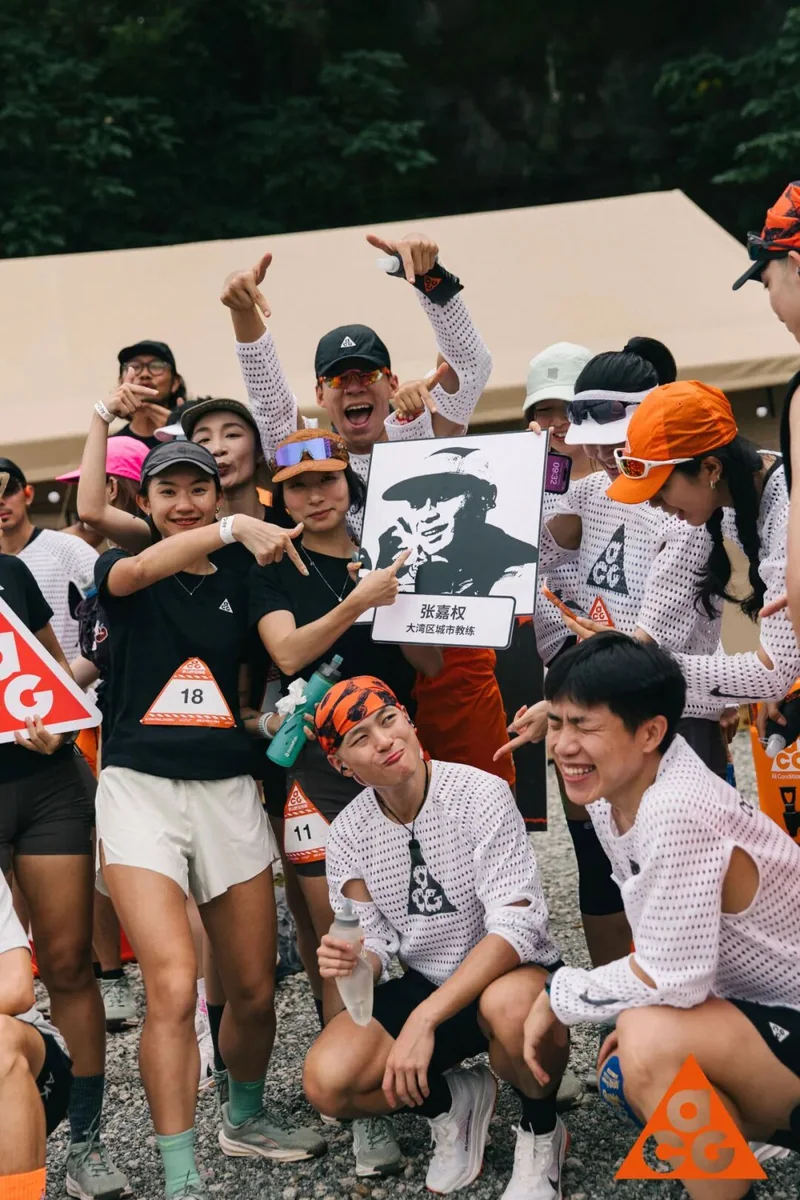
For someone who fundamentally enjoys solitude, becoming a trail-running coach seems contradictory. Coaching requires entering other people’s worlds: observing their condition, understanding why they missed a session, and offering judgement and support when race pressure builds.
The change was gradual. Before coaching, Wuwa worked in staff training. Student leadership at university introduced him to organising, speaking and communication. At a department store, he explained products, procedures and working methods to people in different roles. He could speak for two hours from a single presentation. Those seemingly unrelated experiences later became part of his coaching.
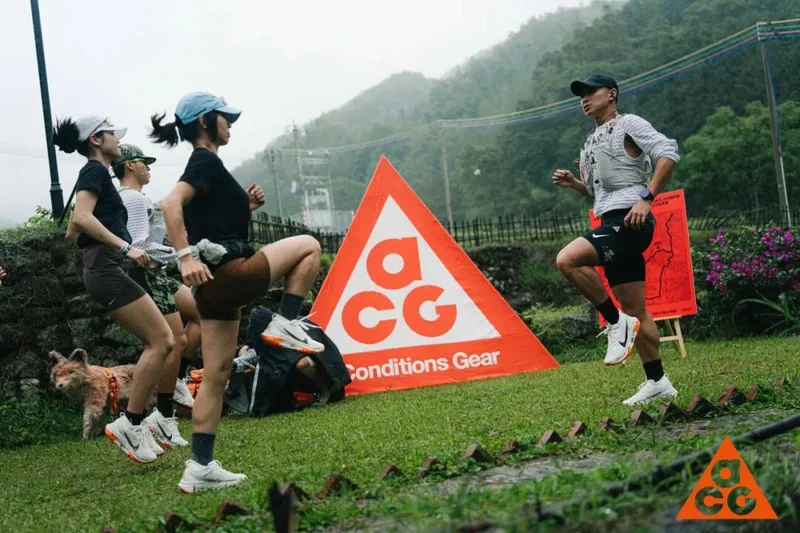
A coach needs more than training knowledge. Just as important is the ability to explain complex methods to different people. That is true of running and of human communication. After entering trail running, Wuwa realised that his continuing task was not to become a more forceful instructor, but a better connector.
From the stopwatch to the unknown in the mountains
↑ Back to contents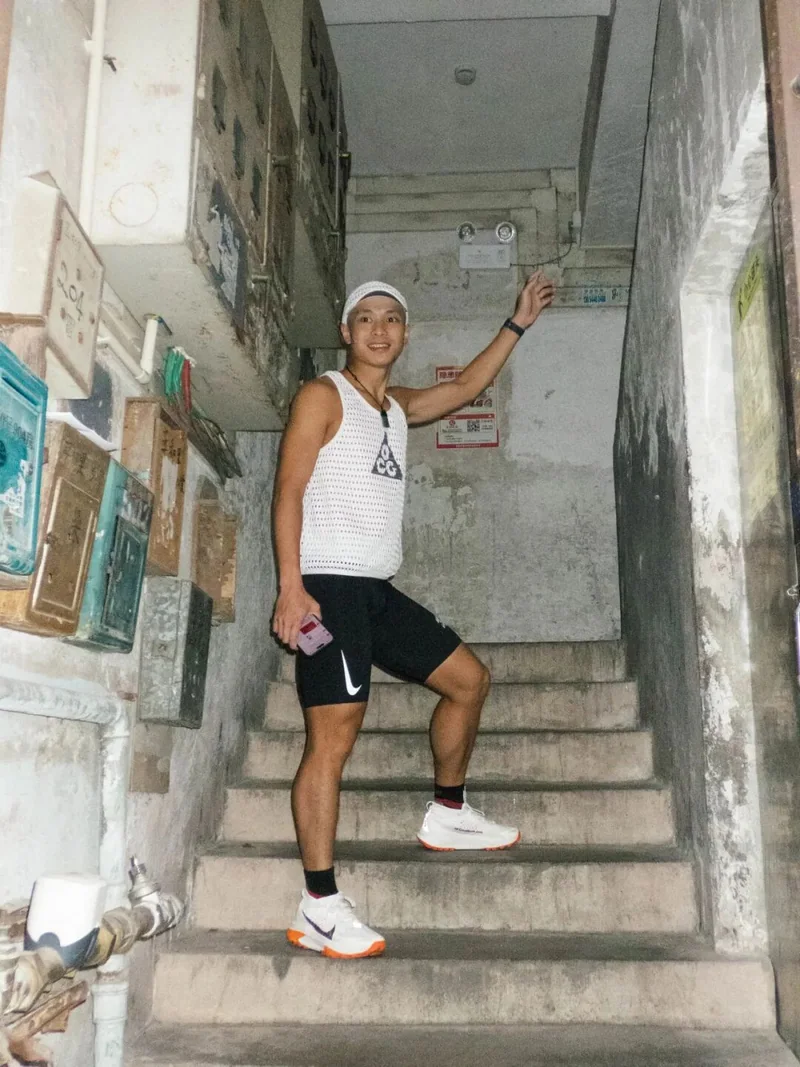
Wuwa’s relationship with sport began early. At school, he was one of the fast children, often near the front of his class or year in sprints and relays. Running was straightforward: line up, hear the starting gun, race to the finish and read the stopwatch. Speed supplied the answer.
He came close to pursuing sport more seriously. He took part in district-level competitions during primary school, and better results might have led him elsewhere. But his family preferred a conventional path. Athletic ability did not become a career; he went to university, and sport gradually moved away from the centre of his life.
After graduation, he entered a period of work that seemed unrelated to sport, moving from training into commercial leasing. In the latter role, he began wondering what several more decades on that path would look like. Running had never really left him. As marathons grew and running became a new way of life, he saw possibilities in the industry and chose to return.
He moved from running-industry operations into trail coaching, continually building his knowledge of training, fitness, the outdoors and safety so that he could genuinely help others. But training alone was not what ultimately drew him to trail running.
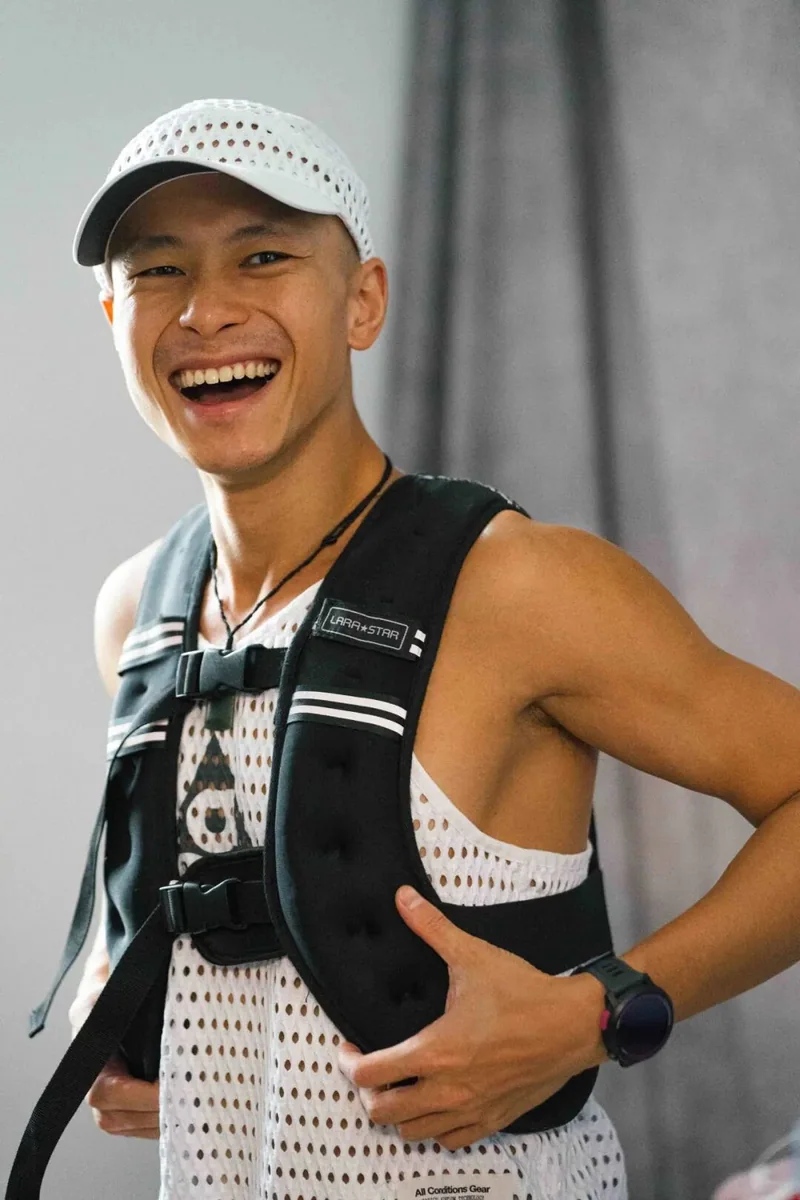
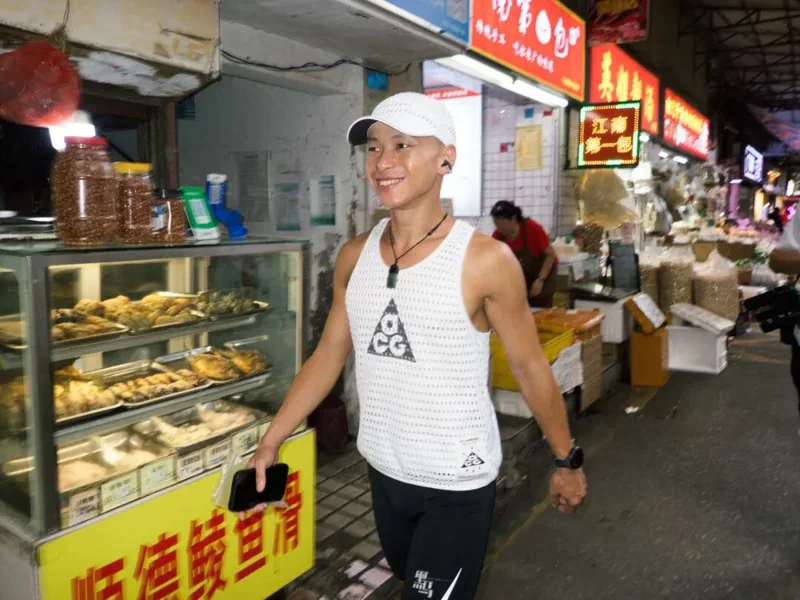
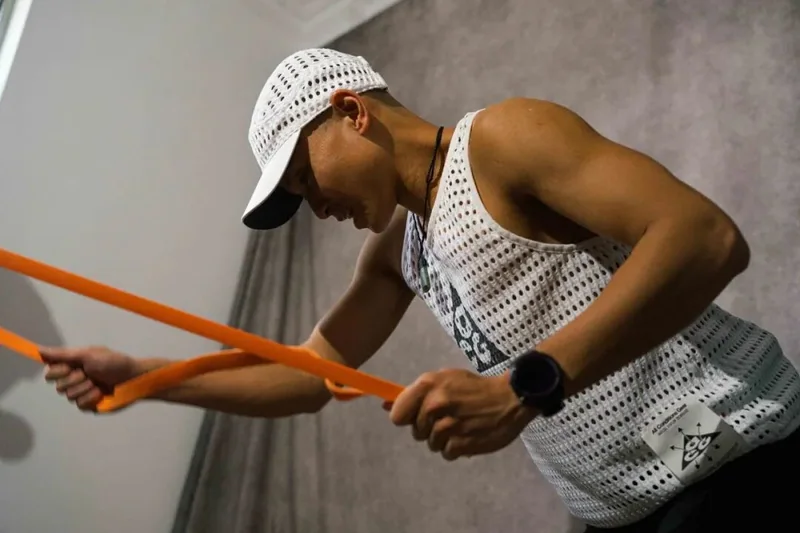

As a child, he chased numbers on a stopwatch. As an adult, he looks for unfamiliar routes, mountains he has not visited and journeys that begin with a race. Trail running turned sport from a contest of results into a way of getting to know the world.
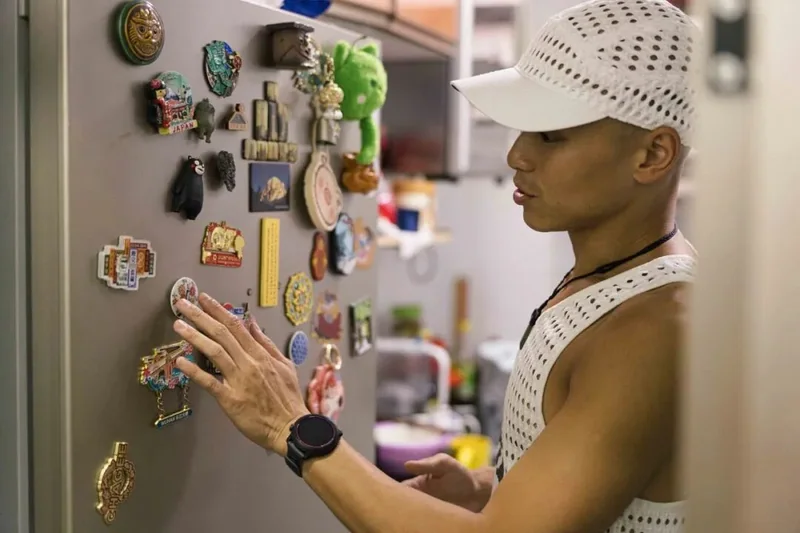
Wuwa recalled a particularly memorable race, the Swiss Peaks 660 in Switzerland. Faced with expensive accommodation, he did not hurry to finish. His practical calculation was that finishing early would mean waiting for teammates and paying for another night down in town. He chose to run slowly, enjoy the scenery and finish close to the cutoff. While others calculated how to improve their times, he calculated how to extend a mountain journey. Surprising as it sounds, it captures his distinctive relationship with the sport.
Translating between a professional system and everyday runners
↑ Back to contentsAs ACTD’s Greater Bay Area city coach, Wuwa stands between a professional training system and the realities of everyday life.
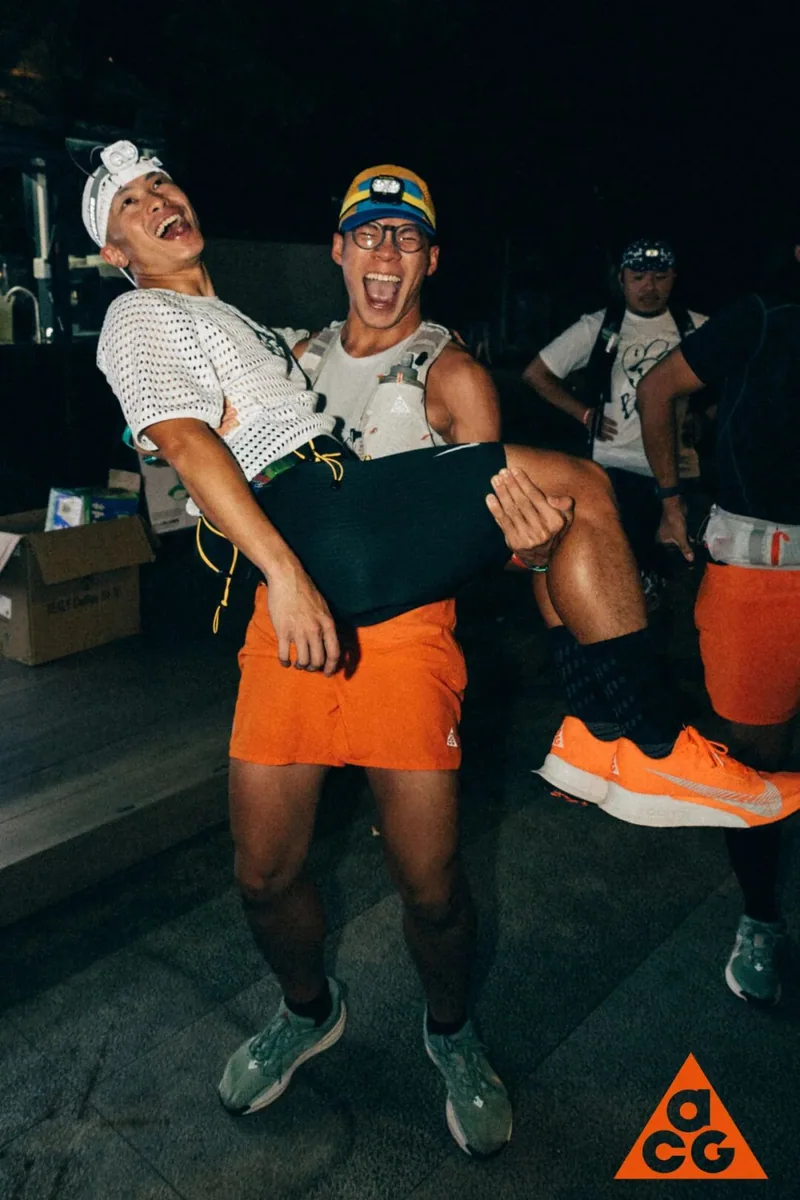
For a professional athlete, ACTD’s ten-week plan offers a clear route. For everyday runners, it becomes more complicated. The people following it are not standardised: some are new to trails and unsure how their bodies respond to distance; some are too busy at work to complete every session; others become anxious as a race and its unknowns approach.
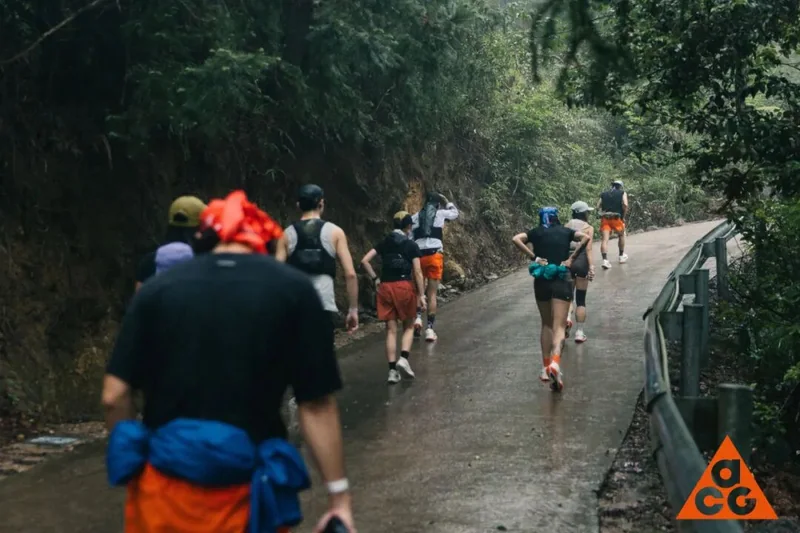
A precise-looking plan ultimately meets people with different backgrounds, physical conditions and emotional changes. ACTD prompted Wuwa to reconsider the coach’s role and ask how professional training could truly fit ordinary lives.
When he first coached recreational runners, missed sessions made him anxious. The plan had been prepared; why was it not being followed? Over time, he understood that these runners were not professional athletes. They had work, families and unpredictable demands. Training could not be separated from life.
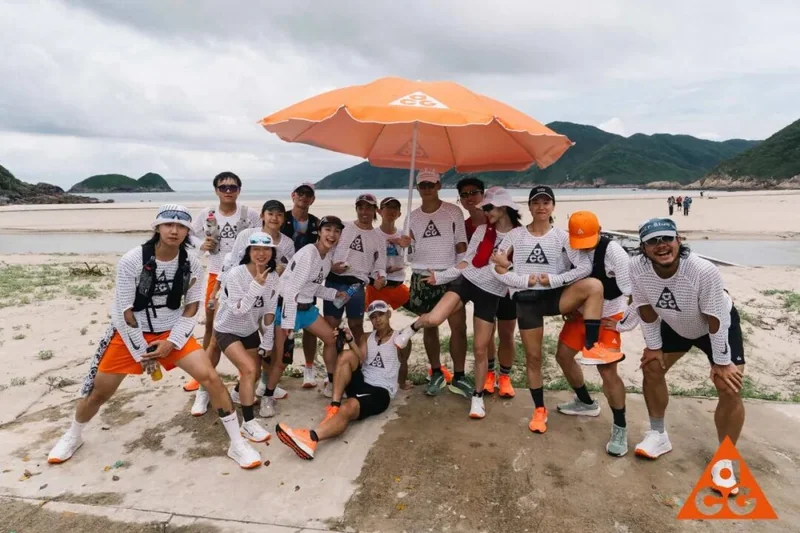
He changed his approach. Instead of asking only how much had been completed, he asked why something had not been done, what the body was reporting and what should change next. This is central to ACTD: training is a continuing conversation. The plan offers direction, the body offers feedback, and the coach helps the runner interpret it.
His role became clearer: a translator between professional training and everyday runners.
Serious training can keep a sense of play
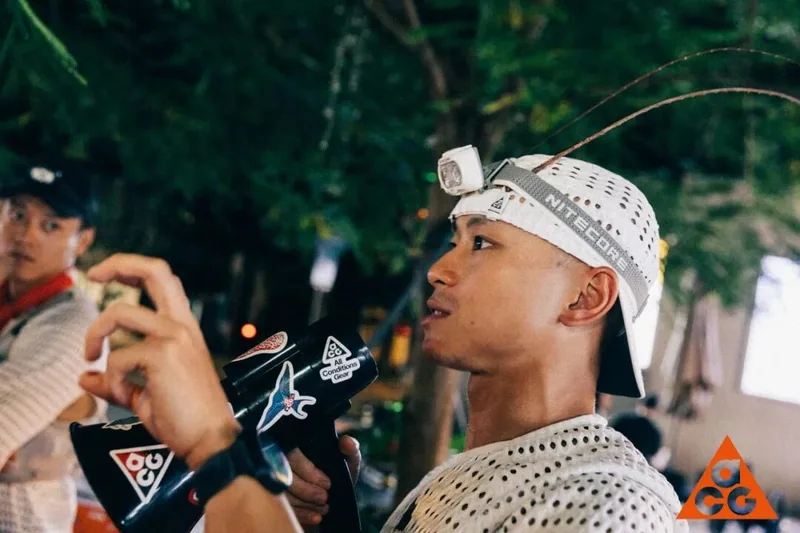
↑ Back to contentsWhat distinguishes Wuwa is that he does not see professional training as something solemn or oppressive. He values heart-rate zones, pacing, fuelling and recovery as foundations for long-term development. At the same time, he retains the perspective of someone who goes into the mountains to play.
After more than a decade of trail running, an interesting route still excites him. He spends time investigating where to run and may choose a race partly for what there is to experience nearby.
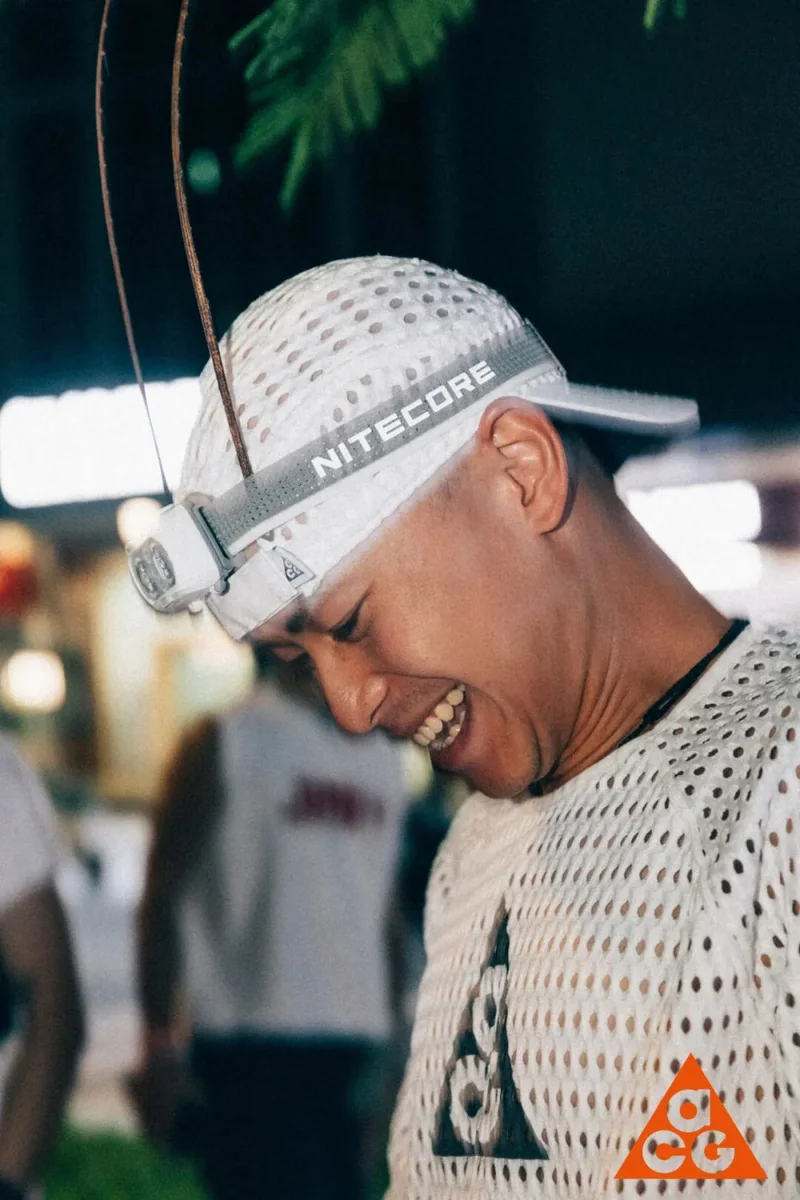
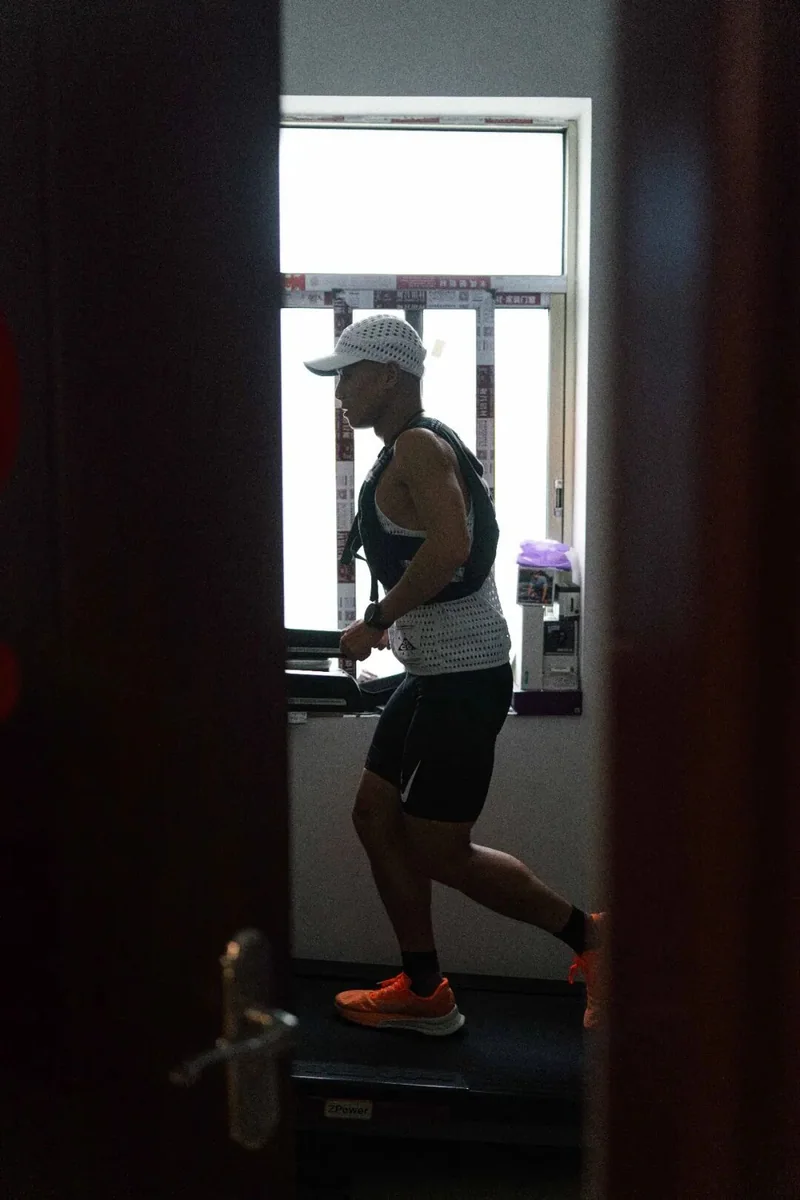
That makes his approach different from some conventional competitive training. He wants people to become stronger so they can explore more, rather than simply enter another system of competition. In ACTD, he keeps looking for that balance. A stair session can teach someone about their body as well as meet a climbing target. Training away from home can introduce a different mountain environment as well as add volume.
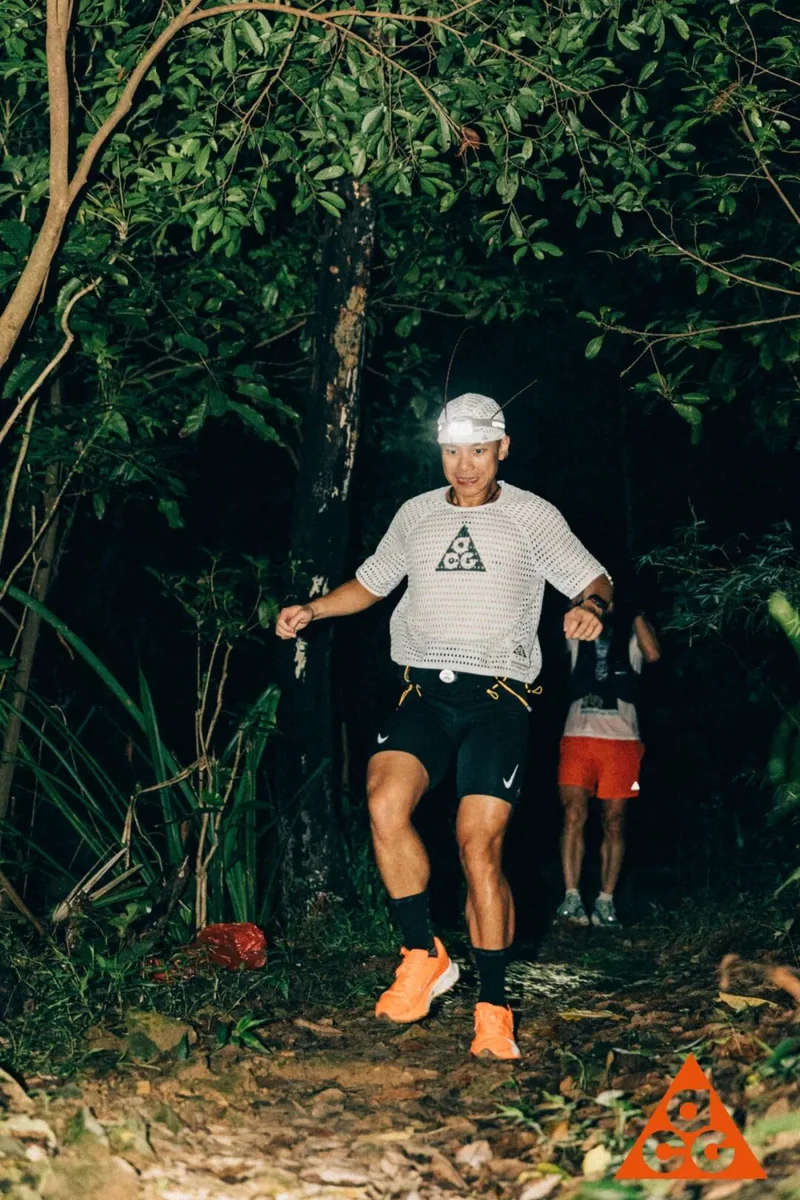
For Wuwa, training and play point in the same direction. Good training makes freer exploration possible. Without sufficient physical capacity, the mountains may bring fatigue and risk instead of pleasure. With enough in reserve, people can enjoy the unknown. This is how he understands the original attraction of trail running.
The race is the entry point; the mountains are the destination
↑ Back to contentsLooking only at Wuwa’s coaching role, it is easy to assume that training and results matter most to him. Knowing him reveals that races are not why he goes into the mountains.
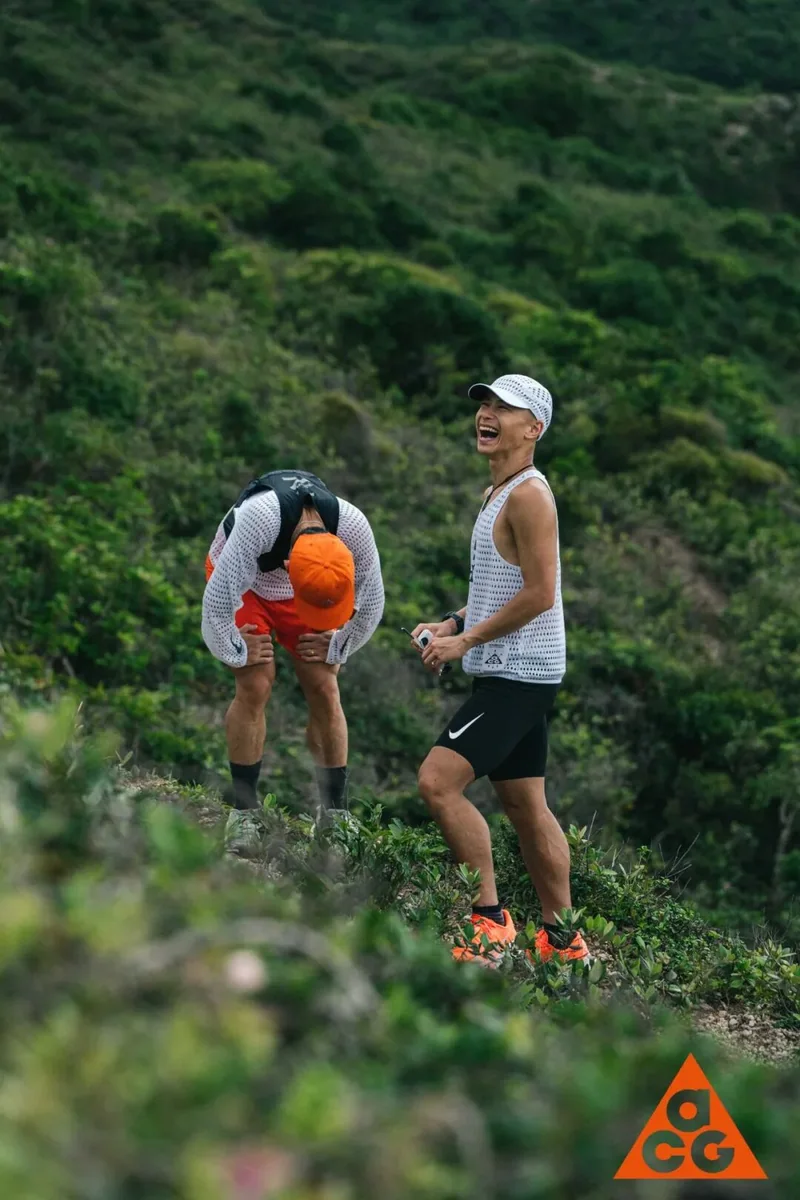
A race is often a ticket to somewhere unfamiliar. Sport and travel are closely connected for him: a long-distance event means a new route, different scenery, and time to learn about local people and culture. Sometimes he brings his family; sometimes a race introduces an entire city. Sport provides a way into a place, and travel extends the experience beyond the event.
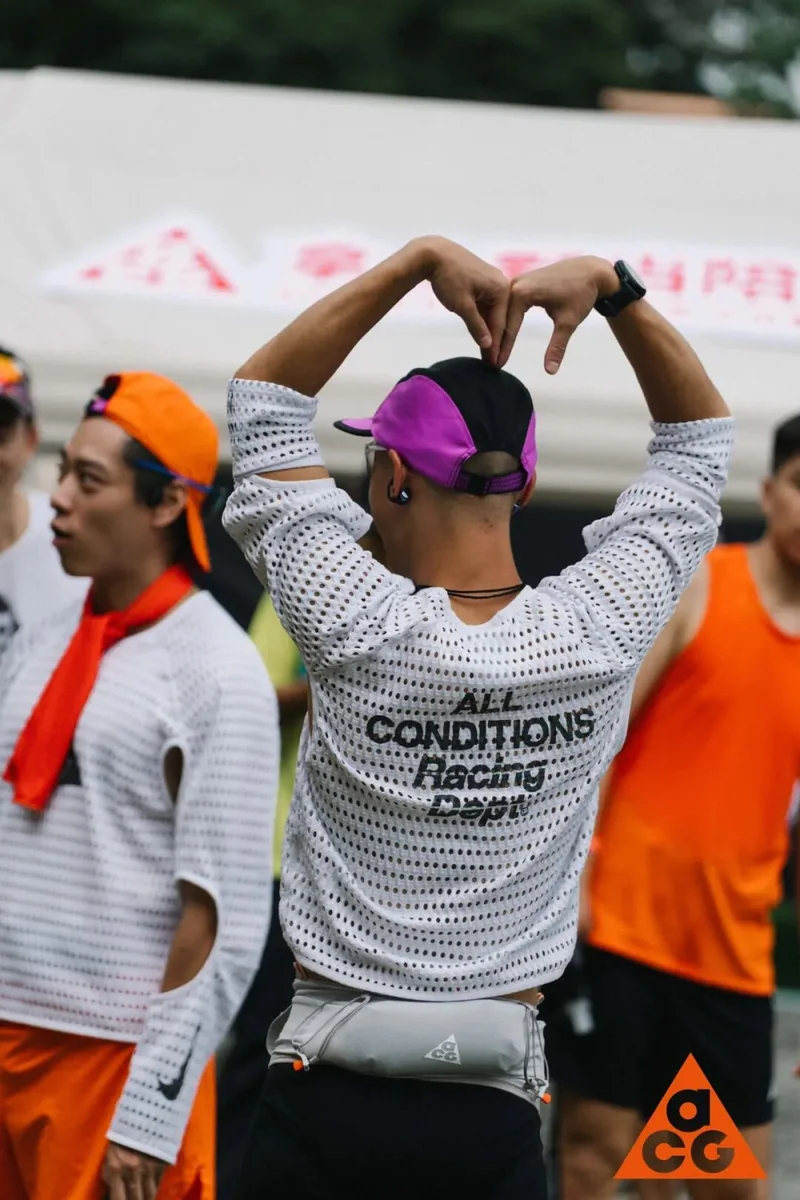
This distinguishes him from many competition-focused runners. He enjoys racing and prepares carefully, but the race is not his final destination. The mountains are.
As the sport becomes more professional, results, personal bests and points dominate conversations. Wuwa is less interested; he sometimes deliberately keeps his performance in check. “I have to protect my underachiever image,” he laughs. “If I occasionally run too well and get caught up in competing, it will upset the balance of the group—and leave me with far too much pressure the next time I go out to play.” To him, a sport reduced to cold rankings risks losing what drew people in.
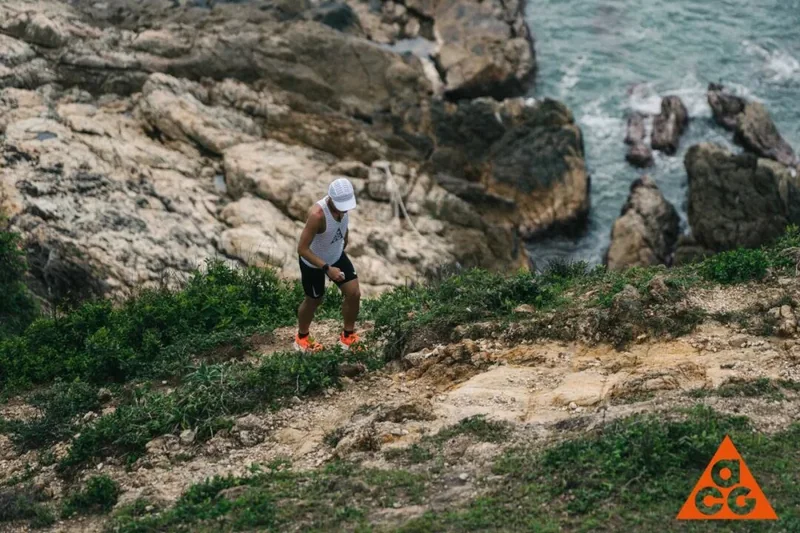
Trail running’s charm lies in returning people to nature. Why is a route worth running, a mountain worth visiting, a place worth stopping to see? Those questions never appear in a results table. Yet they are central to Wuwa’s version of the sport.
After 168 kilometres, still a player
↑ Back to contents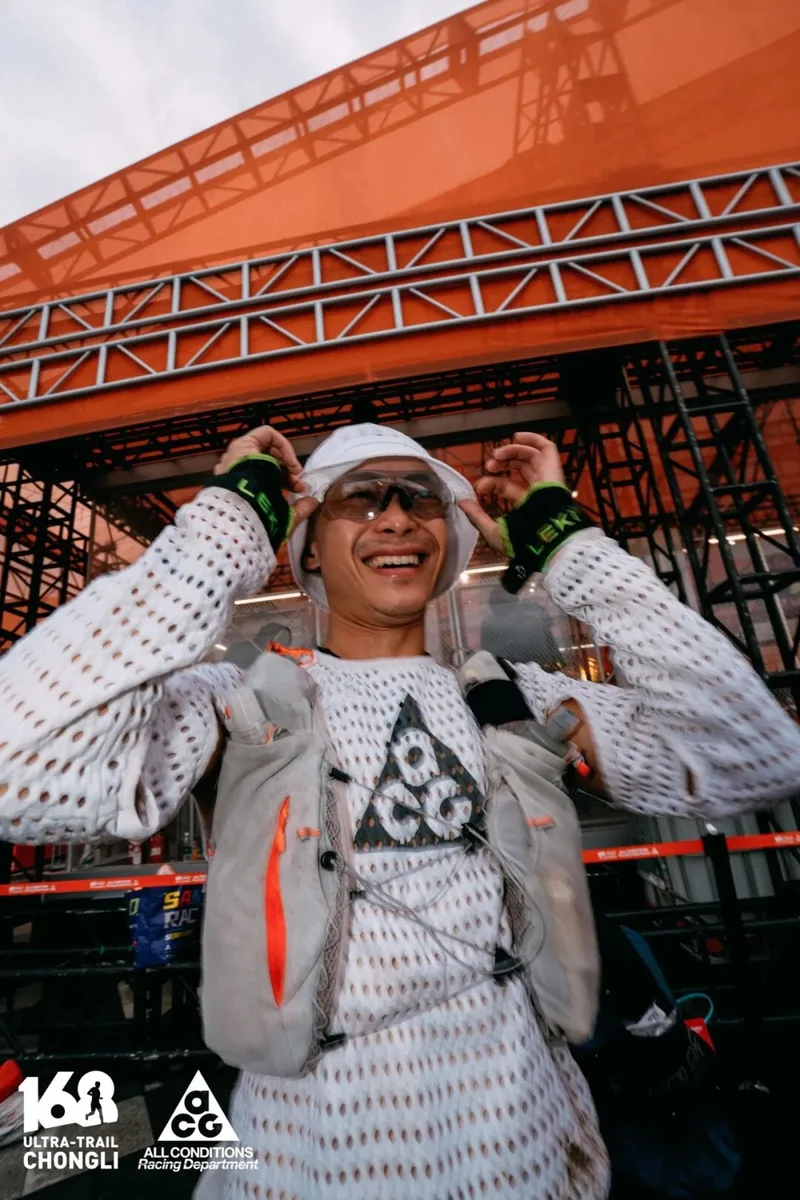
Chongli’s 168-kilometre race put Wuwa’s own running to the test again.
Usually he stands in the coach’s position, helping ACTD participants analyse training and adjust their condition. At the start of a long race, he became an ordinary runner again, facing his body, weather, distance and things no plan could predict. Many runners described that year’s Chongli 168 weather as exceptionally bad: persistent rain, low temperatures and difficult ground exceeded expectations from the outset.
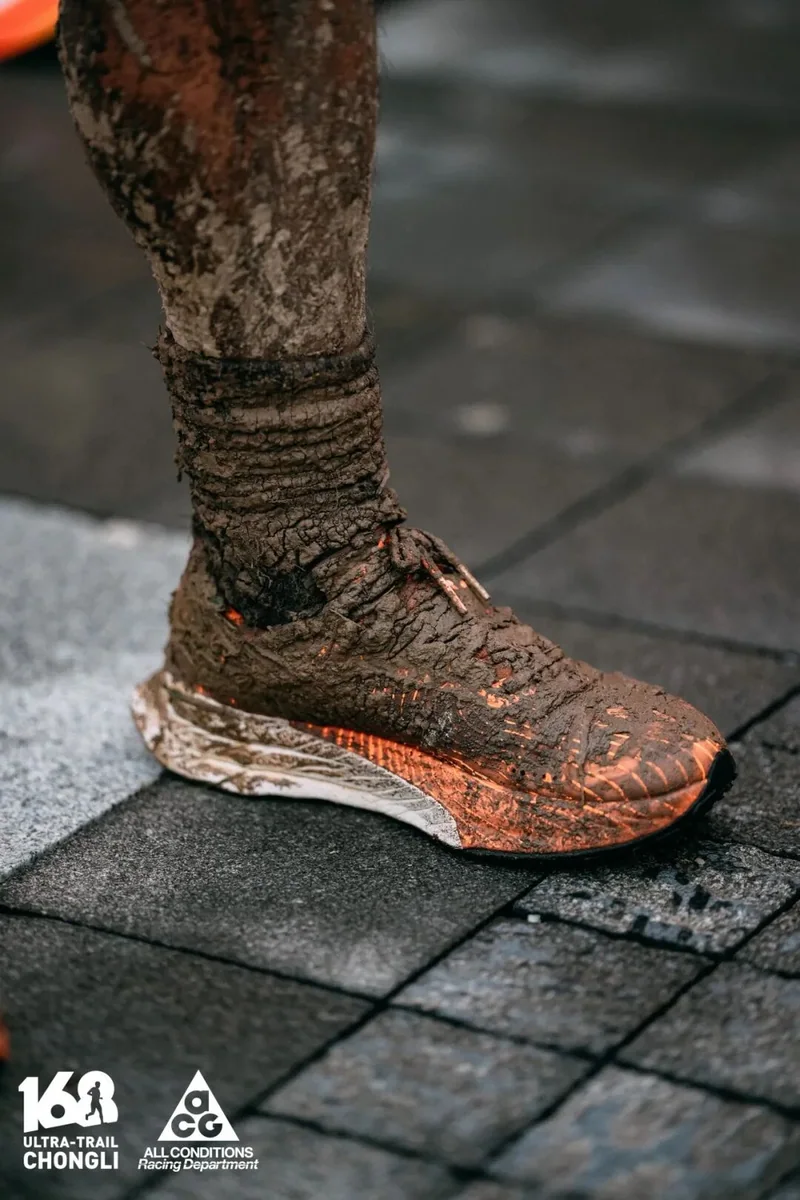
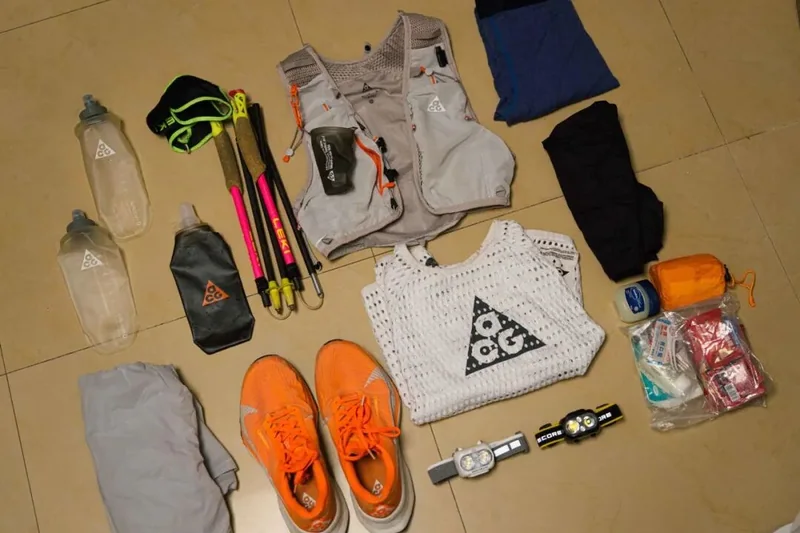
He had trained extensively for heat, only to face a test of cold endurance. In the second half, his body kept sending warnings: difficulty breathing, the risk of hypothermia and accumulating fatigue. From kilometre 86, he considered withdrawing at almost every aid station.
Looking back, he listed four reasons he continued: knowing he could finish even by walking; his teammates’ encouragement and coaxing; wanting to test the effect of ACTD training; and one very Wuwa reason—the finisher’s jacket retailed online for RMB 849.
People in the mountains are complicated. You can want to stop and feel miserable, yet continue because of friends, experience or even a piece of finishing kit. Behind the joke, Wuwa reviewed his condition seriously. He did not simply tell himself to persevere: he considered the cause of his breathing problems, whether the cold risk was manageable, whether fuelling needed adjustment and whether his condition allowed him to proceed. After rest, adjustments and replenishment, he returned to the course.
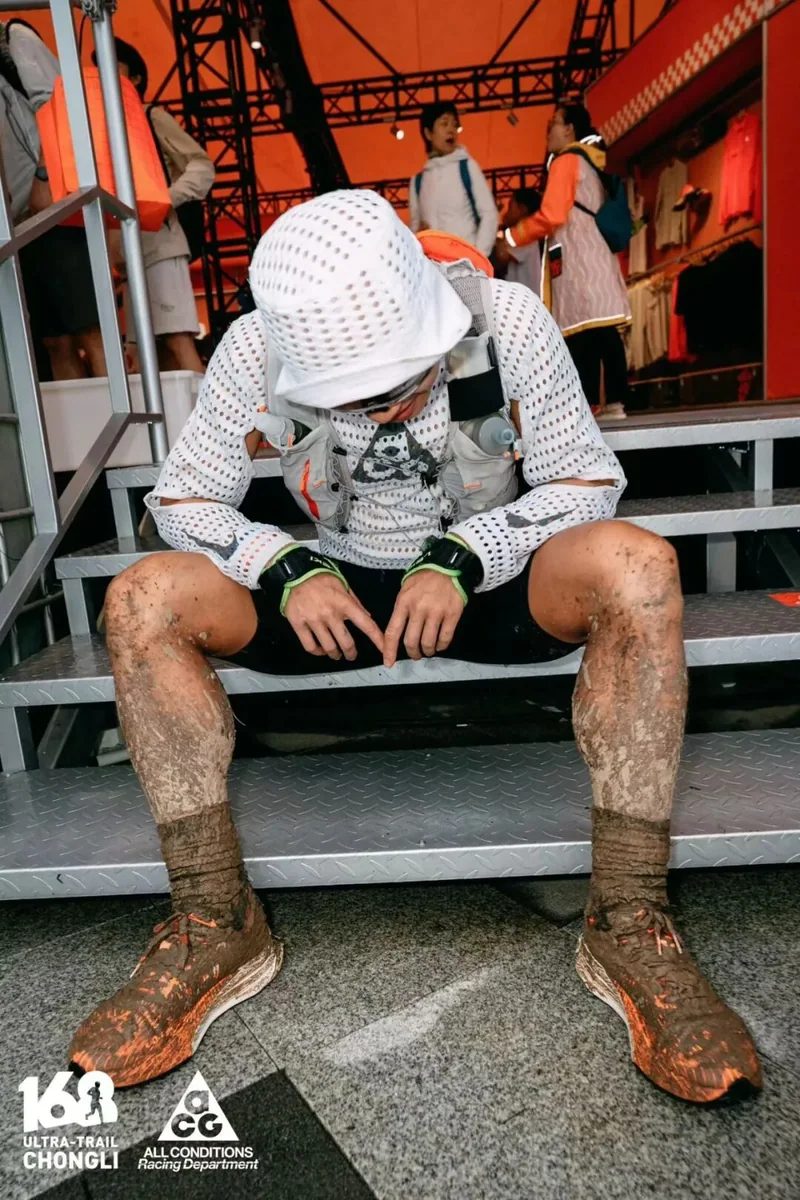
That is the value of professional training: not immunity from difficulty, but the ability to make judgements when it comes. After finishing 168 kilometres, he did not frame the race as conquering himself. His conclusion still sounded like a player’s: capacity can improve, details can be refined, and the next challenge can go better.
He remains both the coach who helps others understand a system and the player who gets excited about a new route or runs slowly to prolong a mountain experience.
An observer’s afterword
↑ Back to contentsBy the third Mountain Anthropology story, another dimension of ACTD had become visible.
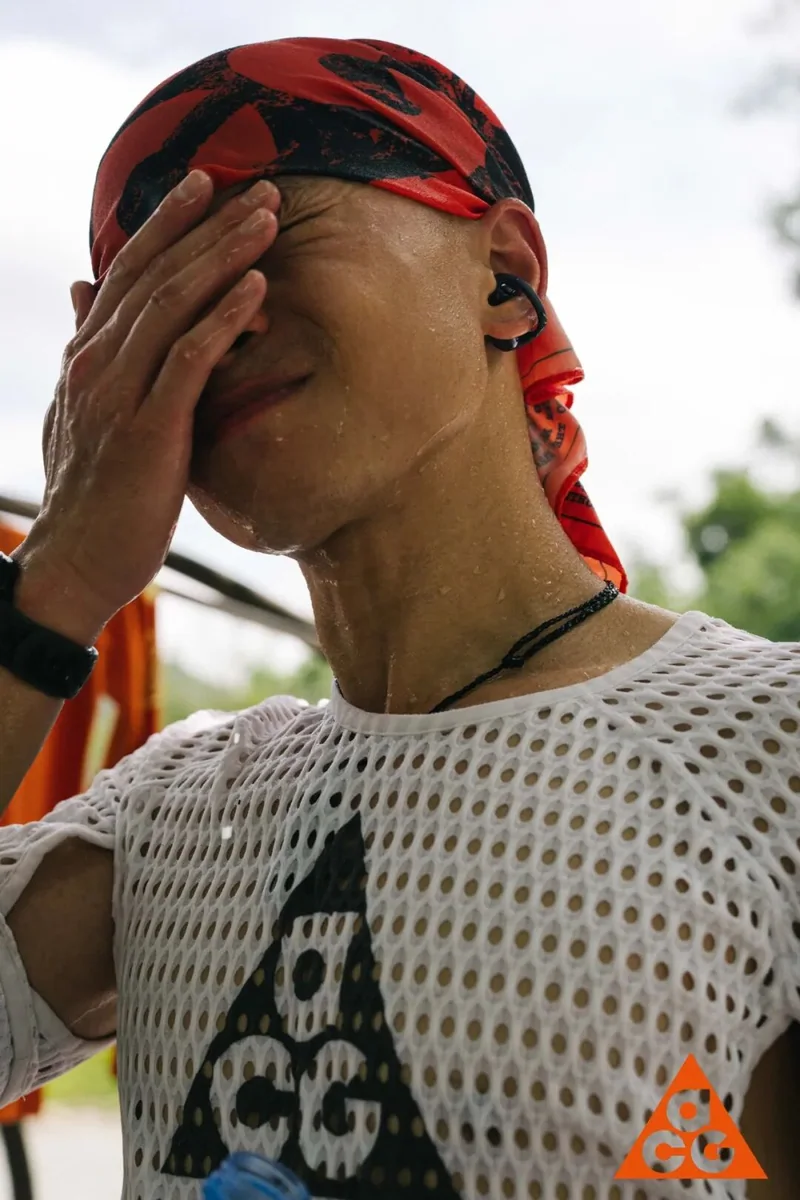
Shandian showed us how an everyday runner entering professional training reconsidered rules, the body and practice. Ahao showed us how an adult made room for training in a complicated life. Wuwa showed us that professionalism need not diminish freedom in the mountains. Good methods build a stronger body; a sense of play gives someone a reason to keep going.
Trail running connects more than distance and results. It connects people to their bodies, to nature and to the world. Before trying to run farther, perhaps learn how to play.
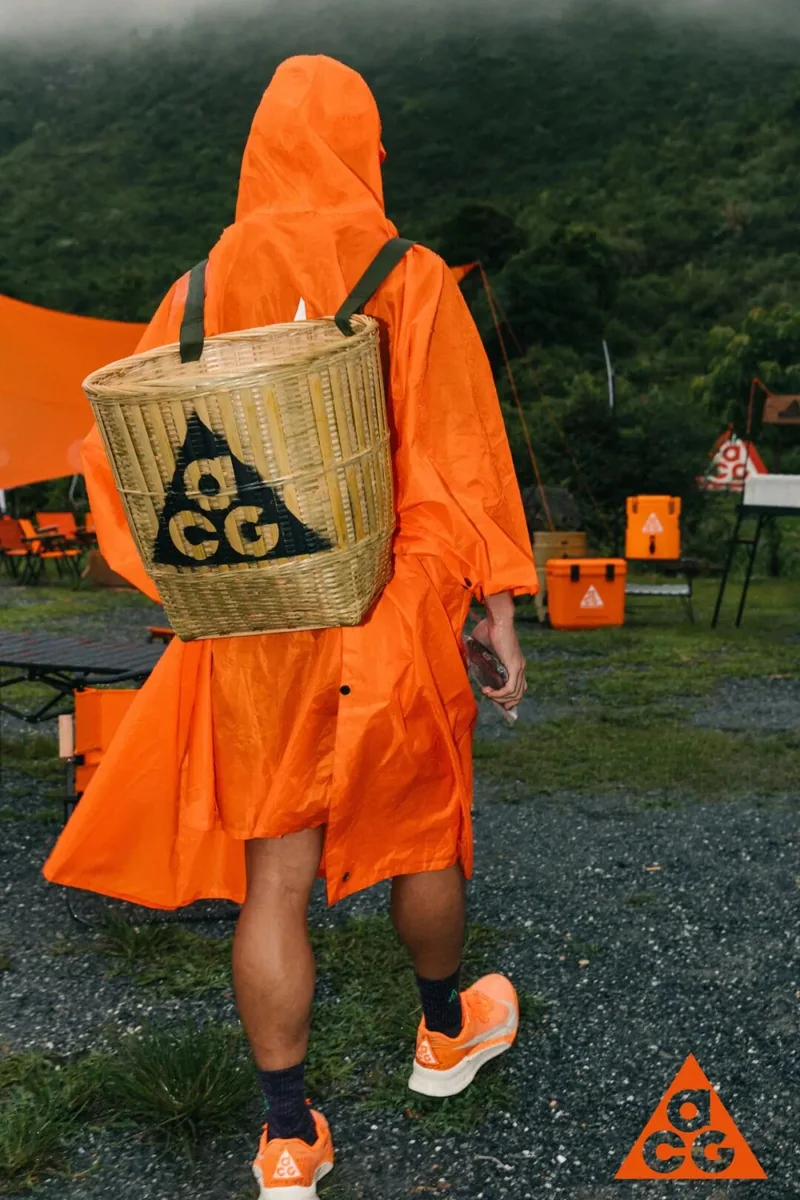
ACG × CSW
↑ Back to contentsExplore the project’s stories and films · Read the original WeChat article